
National Advanced School of Engineering of Maroua
Engineering education and technological development
Overview
Part of the University of Maroua, the National Advanced School of Engineering of Maroua (ENSPM) is a public higher education institution dedicated to training engineers and technical managers in scientific, technological and industrial fields. Successor to the Higher Institute of the Sahel, it helps build the skills needed for Cameroon's economic and technological transformation.
Through its fields of study, ENSPM trains professionals able to design innovative solutions to today's challenges. It is part of the national policy of professionalising higher education, focused on technical skills, innovation and the needs of the job market.
The school aims to train competent, responsible engineers who contribute to sustainable development, innovation and the use of local resources, putting science and technology at the service of society.
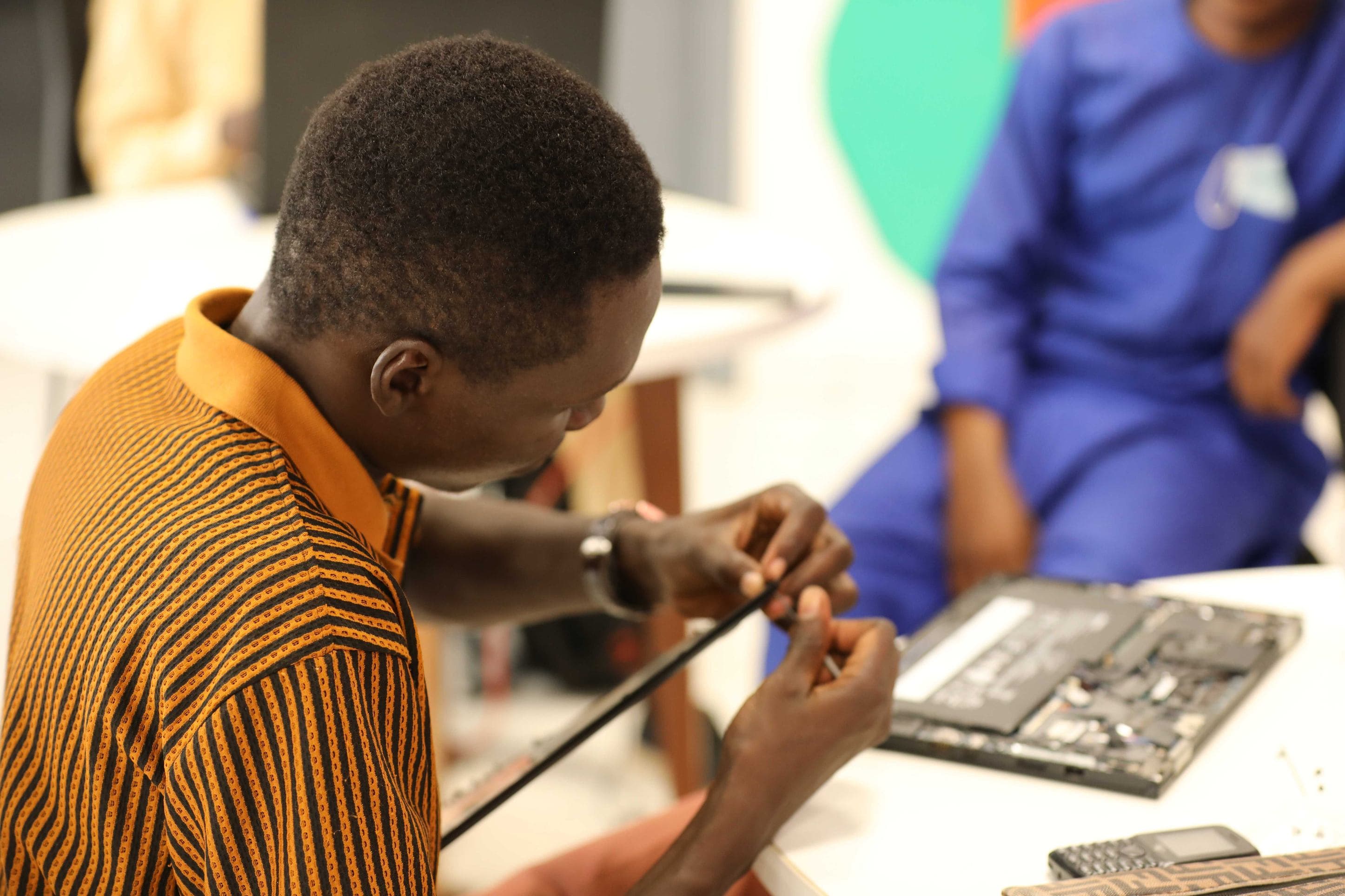
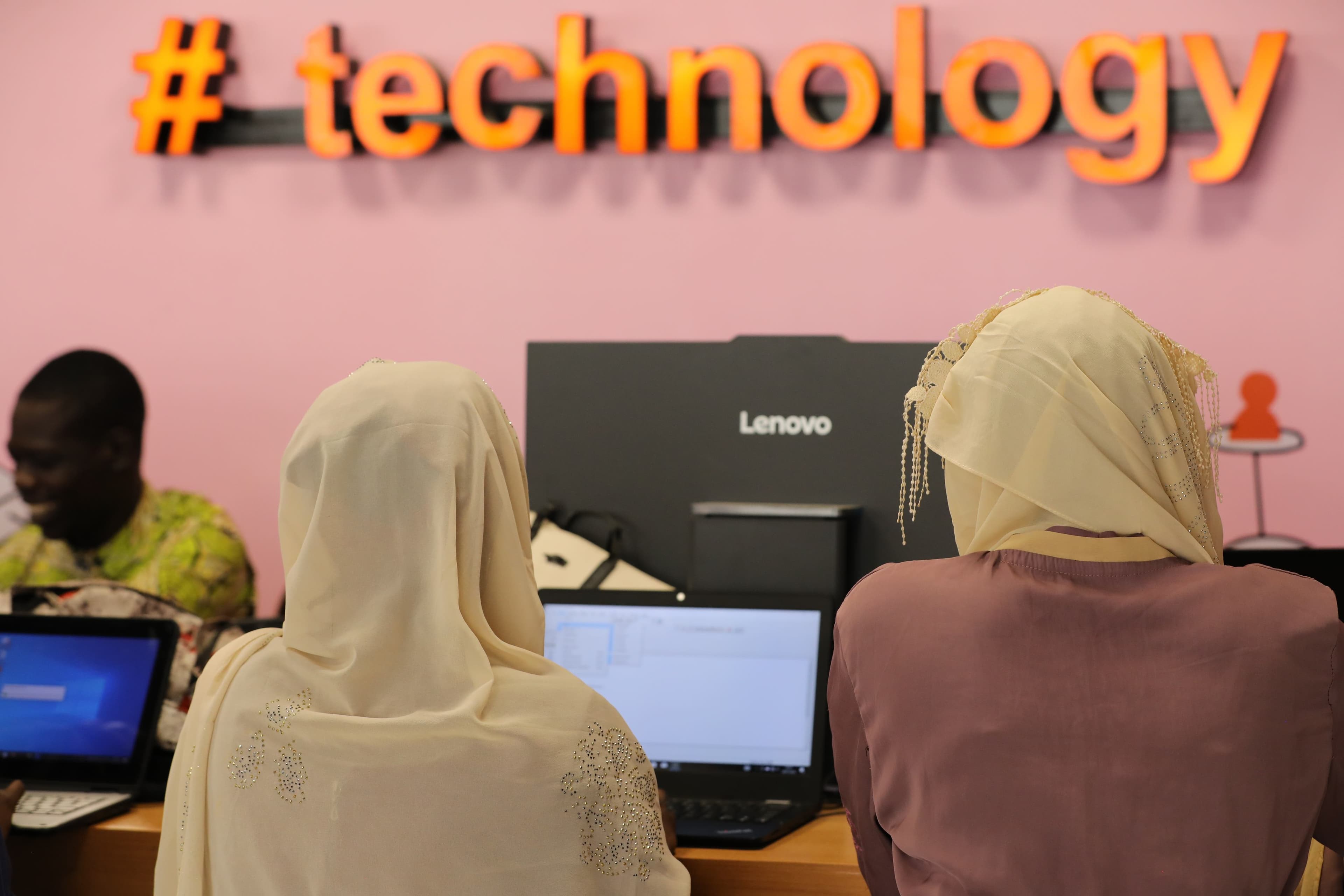
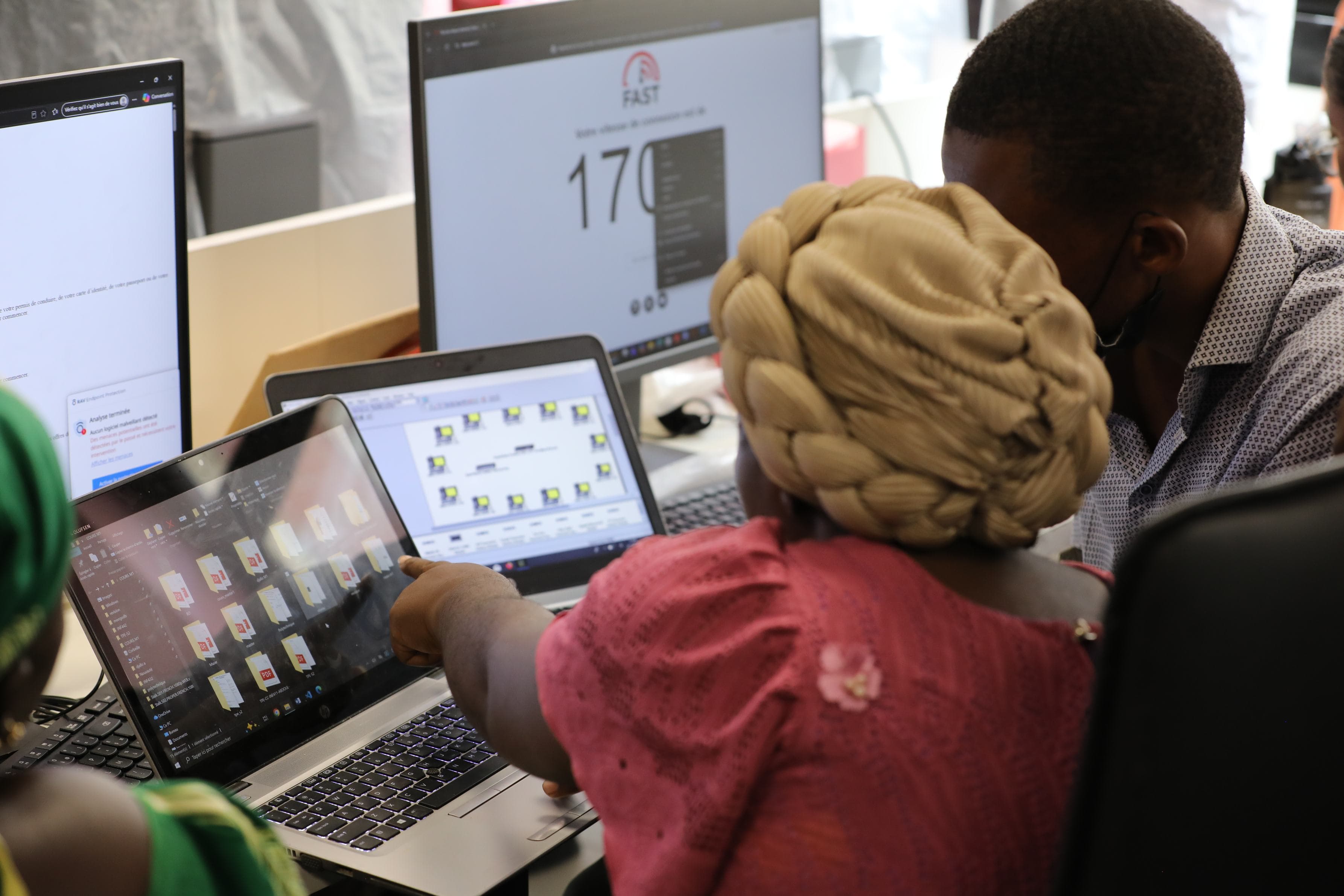
Student life is part of the life of the University of Maroua. Practical work, group projects, internships, science clubs and innovation initiatives play a central role, developing problem-solving, teamwork and the ability to design solutions to real needs.
« Creating the future to better manage development »
History
2008
Decree No. 2008/281 of 9 August 2008 organising the University of Maroua creates the Higher Institute of the Sahel (ISS).
2017
Decree No. 2017/350 of 6 July 2017 renames the ISS and organises the National Advanced School of Engineering of Maroua.
2020
Decree No. 2020/274 of 11 May 2020 sets out the school's reorganisation.
Our strengths
- Diverse programmes adapted to local needs
- Effective partnerships: NGOs, local authorities, businesses
- Openness to the region: Chad, Niger, Nigeria, CAR…
- A committed, dedicated team of lecturers and supervisors
- Equipped engineering laboratories, a research centre and a well-stocked library
- The University's business incubator, supported by MINPMEESA, for project leaders
- Entrepreneurial excellence hub: Maroua Polytechnic Innovation Challenge (MPIC) and KAWTAL des Sciences de l'Ingénieur
Key figures
- departments
- 10
- departments
- engineering programmes
- 12
- engineering programmes
- engineering cycle
- 5 ans
- engineering cycle
- first-year places (2026-2027)
- 265
- first-year places (2026-2027)
Admission
Admission is by competitive examination, under the official MINESUP decisions published each year. For the 2026-2027 academic year:
- First-year entry (decision of 18 August 2026): 250 engineering students and 15 architecture students
- Third-year entry on application (decision of 3 September 2026): 100 places in agriculture, livestock and by-products, renewable energy, civil engineering, environmental sciences and textile and leather engineering
- The exam notice specifies: accepted diplomas, Baccalauréat series or GCE A-Level subjects, open specialisations, number of places, required documents, fees, deadlines, exam dates and venues
In pictures
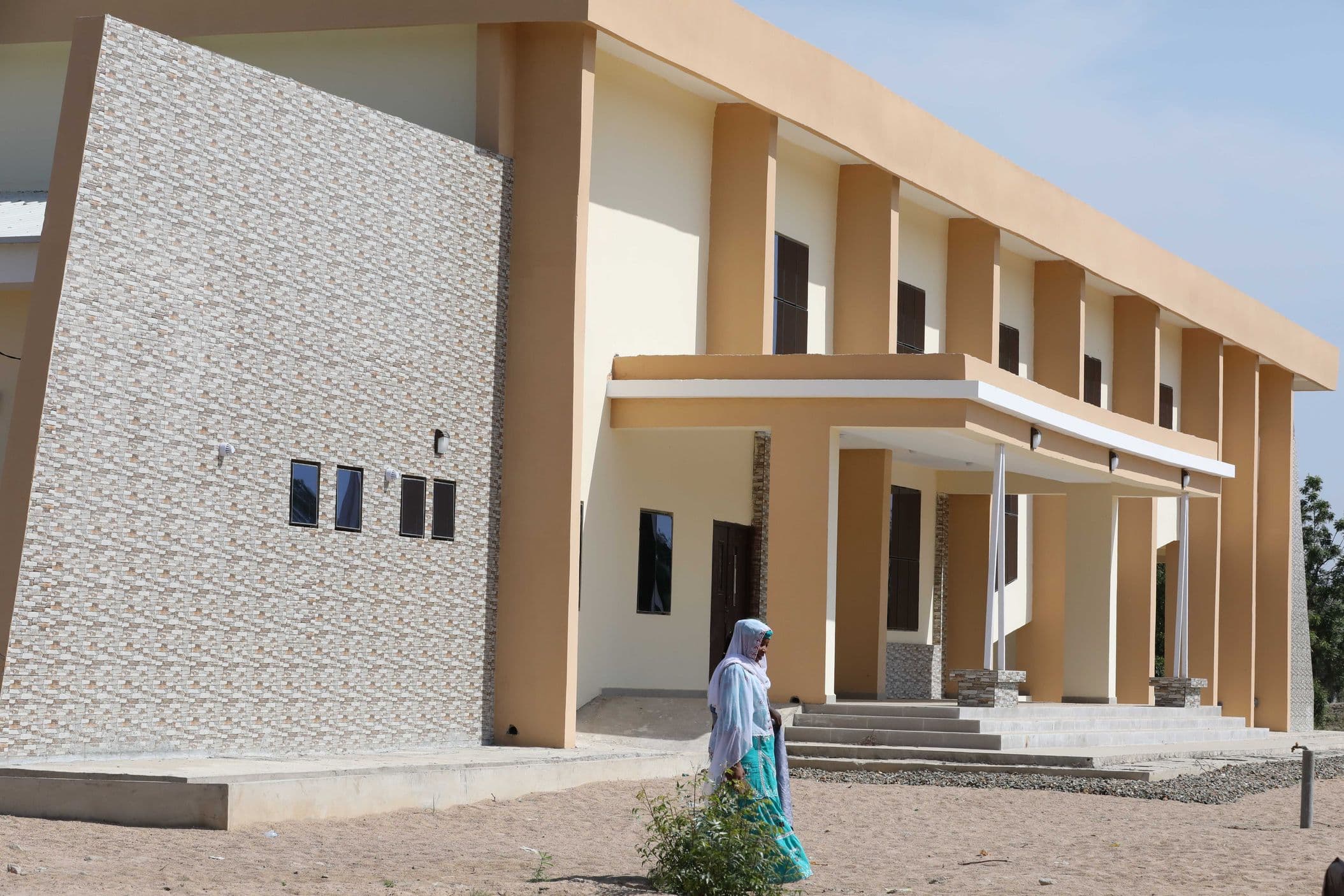

Education
Ten departments cover computing and telecommunications, renewable energy, agriculture and livestock, civil engineering and architecture, environmental sciences, hydraulics, meteorology and climatology, textile and leather technology, and digital arts and humanities. The school prepares students for the Senior Engineer degree, Bachelor's, Master's and Doctorate/PhD in engineering sciences, the architecture degree, and professional Bachelor's and Master's degrees in protected areas.
Missions
- Train engineers and senior managers for engineering careers
- Promote scientific and technological research in its fields
- Support development through services, expertise and studies
- Maintain close links with the professional world and foster innovation and entrepreneurship
- Negotiate cooperation agreements with national and foreign businesses, institutions and organisations
- Provide retraining and further training for managers of public and private organisations, particularly in the Sahel region
Departments and programmes
ENRENRenewable Energy
Trains engineers in renewable energy and its integration into infrastructure and economic activity.
Fields of study
- Solar photovoltaics and solar thermal
- Wind, hydropower and geothermal
- Biomass and energy recovery
- Hybrid energy systems
- Energy efficiency and plant maintenance
Career prospects
- Solar, wind or biomass energy engineer
- Solar project and solar cooling manager
- Consultant in engineering firms
- Energy efficiency consultant, independent expert
AGEPDAgriculture, Livestock and By-products
Trains for careers in agriculture, livestock, fisheries, aquaculture, agroforestry and food processing, and conducts research to modernise production, strengthen food security and improve value chains.
Fields of study
- Crop and animal production
- Aquaculture and fish farming
- Forestry and agroforestry
- Food processing
- Agribusiness management and value-chain economics
Career prospects
- Agronomist or animal science engineer
- Fish farming and aquaculture engineer
- Agroforestry or plant domestication engineer
- Food processing manager, agricultural economist
SCIENVEnvironmental Sciences
Trains engineers (Environmental education — EDEN, Environmental engineering — GENEN) and senior engineers (Desertification and natural resources — DEREN, Waste and pollution — DEPO, Ecotoxicology, Risk and disaster management). It also awards professional Bachelor's and Master's degrees in protected areas.
Fields of study
- Environmental assessment and impact studies
- Waste management and pollution control
- Soil restoration and combating desertification
- Sustainable management of natural resources and protected areas
Career prospects
- Land-use planning and sustainable development engineer
- Biodiversity management and conservation
- Risk and disaster assessment and management
- Water and soil management, restoration and protection
GCACivil Engineering and Architecture
Studies materials and production technologies to design and build buildings and structures, from the simplest to the most complex: bridges, roads, tunnels, airports, ports, railways and waterways. The architecture course is separate from the engineering course.
Fields of study
- Materials, structures and strength of materials
- Reinforced concrete and steel construction
- Roads, infrastructure and surveying
- Architectural design and smart buildings (BIM)
Career prospects
- Civil engineer, works engineer
- Structural engineer, materials engineer
- Site manager, technical design officer
- Architect (architecture course)
INFOTELComputer Science and Telecommunications
Covers digital infrastructure, systems and networks, with emphasis on mathematical modelling (stochastic models, information theory, cryptography), network architectures and protocols (Internet, telecoms, sensors, RFID) and embedded and distributed computing.
Fields of study
- Algorithms, programming and software engineering
- Networks, telecommunications and IoT
- Embedded and distributed systems
- Cybersecurity and artificial intelligence
- Databases and information systems
Career prospects
- Software engineer, developer
- Network, mobile and telecommunications engineer
- Embedded systems engineer
- Cybersecurity, digital media and computer graphics engineer
GTCTextile and Leather Engineering
Promotes research in textile and leather technology and trains specialised engineers, adding value to local resources and industrial activity.
Fields of study
- Natural and synthetic fibres, textile technology
- Spinning, knitwear, dyeing and finishing
- Leather technology and hide processing
- Quality control and production management
Career prospects
- Textile, fibre and textile technology engineer
- Leather technology and chemistry engineer
- Production or quality manager
- Entrepreneur in textiles and leather
HYMAEHydraulics and Water Management
Programmes in hydraulic engineering and sanitary and environmental engineering: sourcing, treating, distributing and managing water resources, key issues for northern Cameroon.
Fields of study
- General, urban and rural hydraulics
- Drinking water supply and sanitation
- Irrigation, drainage, drilling and water catchment
- Water treatment and integrated resource management
Career prospects
- Hydraulic engineer, rural and urban hydraulics
- Water and sanitation engineer
- Water analysis and quality control
- Water services and drinking water distribution management
MCHPMeteorology, Climatology, Hydrology and Soil Science
Prepares for careers in weather observation and measurement, data processing, weather forecasting and meteorological support, as well as soil resource assessment and restoration. The department is based in Kousséri.
Fields of study
- General meteorology and forecasting
- Climatology and climate risks
- Hydrology and soil science
- Remote sensing and environmental data
Career prospects
- Meteorological engineer, forecaster
- Hydrological works supervisor
- Climate studies officer
- Local authorities, water services, NGOs and research
AHNDigital Arts and Humanities
An interdisciplinary programme linking computing, arts and humanities, social and historical sciences, engineering and cultural heritage. It prepares students for management roles by teaching a technical and critical understanding of digital data and documents, their tools, representations and uses.
Fields of study
- Digital creation, 2D/3D animation
- Design, UI/UX and visual communication
- Heritage digitisation and promotion
- Multimedia content production
Career prospects
- 2D/3D animator, visual effects artist
- Game designer, level designer, UI/UX designer
- Director of photography, production coordinator
- Character modeller and artist, software engineer
ESBBasic Sciences
Provides the scientific and methodological teaching that gives a solid foundation to the specialised programmes: mathematics, physics, chemistry, computing, scientific communication and languages.
Scientific and professional contribution
Beyond teaching, the school develops applied research, supports innovation, works with businesses and public administrations, and addresses the specific challenges of northern Cameroon: energy, water, agriculture, climate and the processing of local resources.
Research
Research at ENSPM addresses Cameroon's technological needs and the challenges of the Sahel, working with businesses, public administrations and development partners.
- CREP — Research, Experimentation and Production Centre, serving businesses and public administrations
- Equipped engineering laboratories
- CNDT — National Committee for Technology Development: promoting innovative technologies
- CATI — Technology and Innovation Support Centre: access to patent and non-patent databases
- Business incubator: supporting students in setting up their businesses
Research areas
Digital technology and AI
- · Data analysis and intelligent systems
- · Mobile and web applications
- · Digital tools for agriculture and the environment
Energy
- · Solar plant optimisation and storage
- · Off-grid electrification
- · Energy from biomass
Agriculture and livestock
- · Improving production systems
- · Food processing
- · Climate-smart agriculture
Water and environment
- · Water resource management and quality
- · Preventing soil degradation
- · Climate change adaptation
Industry and materials
- · Raw material processing
- · Textile and leather technology
- · Materials suited to local needs
Industry links
Engineering education combines theory, practical work and professional experience: internships in businesses and public bodies, final-year projects, technical visits, design and prototyping projects, consultancy and continuing education.
Partners
- CCIMAChamber of Commerce, Industry, Mines and Crafts: promotion of and training in shoemaking and leatherwork
- Interprofession CuirPartnership on hide and leather processing
- PROCOTON (GIZ)Organic cotton farming and resilience of the cotton-textile-clothing value chain
- PRODELTraining in sustainable management of pastoral resources
- PROLACRegional development and recovery of the Lake Chad region
Degrees
Engineering cycle (5 years)
Senior Engineer degree — programmes
- Organic and precision agriculture
- Aquaculture and fish processing
- Soil restoration and management
- Circular economy and sustainable construction
- Architecture and smart buildings (BIM)
- Urban hydraulics and sanitation
- Renewable energy and energy efficiency
- Cybersecurity and artificial intelligence (AI)
- Networks, IoT and embedded systems
- Digital arts, multimedia and content creation
- Textile engineering and innovative materials
- Applied climatology and risk management
Bachelor's, Master's, Doctorate
Bachelor's in engineering sciences
Master's in engineering sciences
Doctorate/PhD in engineering sciences
Other degrees
Architecture degree
Professional Bachelor's and Master's in protected areas