

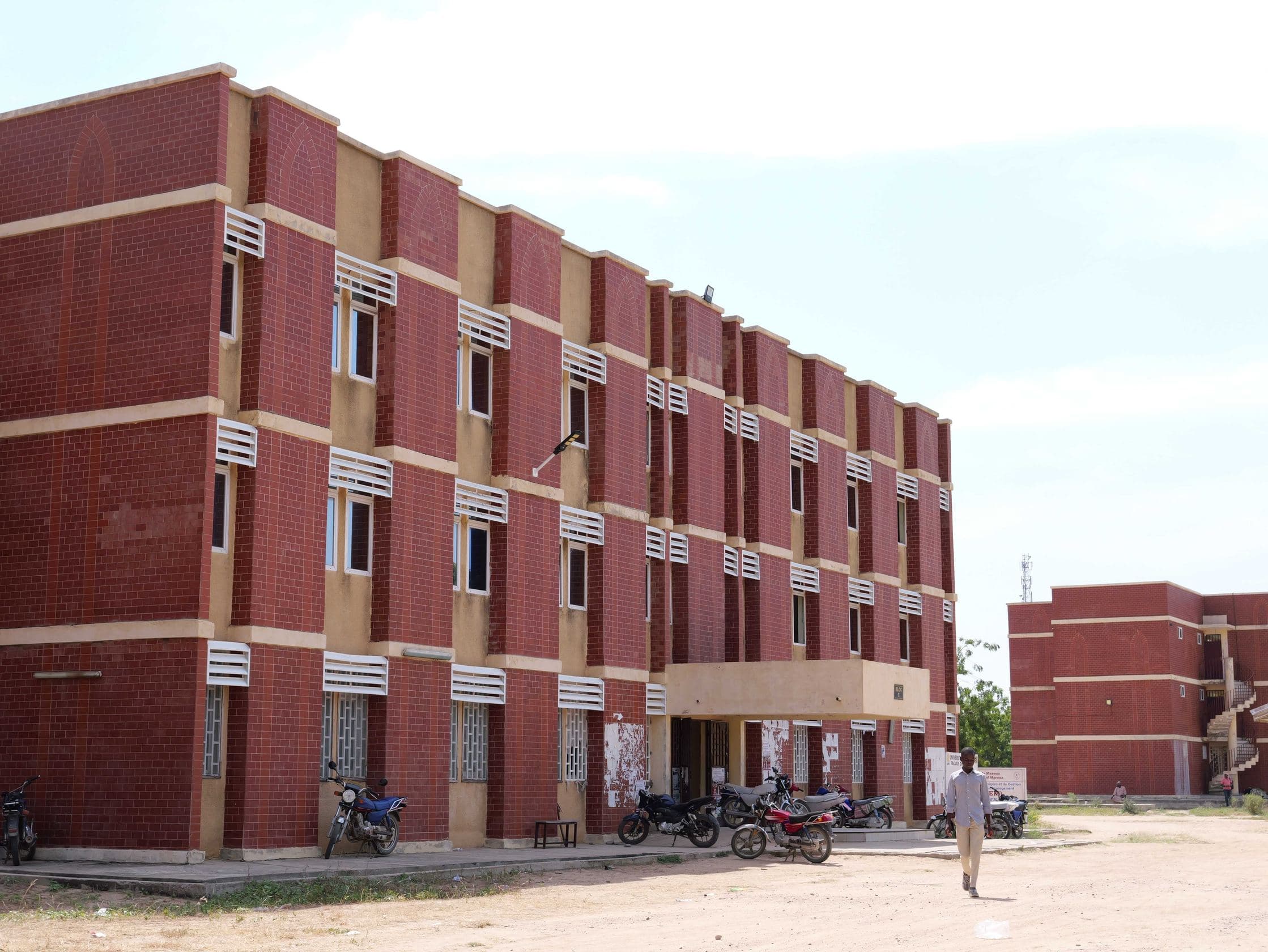
National Advanced School of Mines and Petroleum Industries
Mining, applied geosciences and petroleum industries
Overview
The National Advanced School of Mines and Petroleum Industries (ENSMIP) is a scientific, technological and professional grande école of the University of Maroua. Located in Kaélé, in the Far North region, it trains engineers and senior managers for the mining, oil, gas and related industries.
ENSMIP helps build national expertise in natural resource exploration and extraction, mineral processing, industrial processes, safety and the management of mining and petroleum activities.
It aims to train engineers and managers able to meet the technical, economic, industrial and environmental challenges of extracting and processing natural resources. Combining scientific education, technological skills, applied research and cooperation with industry, it is preparing a new generation of mining and petroleum specialists.
« Training excellence to build the future »
History
FMIP
The School grew out of the University of Maroua's Faculty of Mines and Petroleum Industries (FMIP), based in Kaélé.
2022
Decree No. 2022/011 of 7 January 2022 turns the FMIP into the National Advanced School of Mines and Petroleum Industries, headquartered in Kaélé.
2022
Decree No. 2022/012 of 7 January 2022 sets out its administrative and academic organisation: missions, governing bodies and departments.
Our strengths
- Partners in the hydrocarbons and refining sector, mining and quarrying, as well as audit firms and institutions
- Laboratories equipped with support from SNH, PERENCO and PARSEBALT
- Cultural, scientific and sports fair: scientific and technical development, cultural and social development, start-up creation
Key figures
- became a school
- 2022
- became a school
- engineering programmes
- 6
- engineering programmes
- Kaélé site
- 102 ha
- Kaélé site
- laboratories and platforms
- 5
- laboratories and platforms
Admission
Admission follows the official recruitment procedures published each year by MINESUP and the University of Maroua: entry into the first year of the engineering cycle or admission to a higher year, by competitive exam or on application.
- Programmes open and number of places
- Required diplomas and, where applicable, age limits
- Selection tests and required documents
- Application deadlines and publication of results
Education
Six complementary fields of mining and petroleum engineering: economics, management and legislation; resource exploration; mining engineering and mineral processing; mechanical oil and gas engineering; refining and petrochemicals; industrial safety, quality and environment. Studies lead to the Senior Engineer degree.
Missions
- Train engineers and senior managers for mining and petroleum careers
- Promote scientific and technological research in its specialist fields
- Contribute to development through studies and services
- Develop links with businesses and the professional world
- Foster cooperation with national and foreign institutions
- Contribute to the further and continuing education of professionals in these sectors
Departments and programmes
EGLMMining, Oil and Gas Economics, Management and Legislation
The economic, managerial, regulatory and legal aspects of the mining, oil and gas industries.
Fields of study
- Oil and gas economics
- Mining and petroleum project management
- Economic analysis of energy investments
- Mining and petroleum legislation
- Contracts, governance and economic risk
Career prospects
- Project and operations management
- Economic analysis of the extractive sector
- Management of mining and petroleum companies
- Consultancy and regulation of extractive activities
XMPEMining, Oil, Gas and Water Resources Exploration
Identifying, characterising and assessing subsurface natural resources.
Fields of study
- Geology and geological formations
- Geophysics
- Drilling techniques
- Mineral and petroleum deposit exploration
- Water resources and subsurface structures
Career prospects
- Geologist, geophysicist
- Exploration or drilling engineer
- Geological studies manager
- Natural resource assessment
IMTMMining Engineering and Mineral Processing
Designing and optimising extraction operations and processing the extracted materials.
Fields of study
- Mine and quarry operations
- Mine planning
- Ore fragmentation and preparation
- Mineral processing and beneficiation
- Technical, economic and environmental constraints
Career prospects
- Mining engineer, operations engineer
- Quarry manager
- Mineral processing engineer
- Mining studies officer
GMPGMechanical Oil and Gas Engineering
Equipment, facilities and mechanical operations in the oil and gas industries.
Fields of study
- Design and operation of oil facilities
- Mechanical equipment and systems
- Production operations, onshore and offshore facilities
- Hydrocarbon transport and storage
- Maintenance and reliability
Career prospects
- Production engineer
- Maintenance engineer
- Industrial facilities manager
- Hydrocarbon transport and storage engineer
RPCRefining and Petrochemicals
Turning hydrocarbons into energy products and industrial raw materials.
Fields of study
- Refining processes and petrochemicals
- Process control and optimisation
- Unit operations and industrial equipment
- Product quality and risk control
Career prospects
- Process engineer, refining engineer
- Petrochemical engineer
- Production manager
- Quality engineer in industrial chemistry
SQEIndustrial Safety, Quality and Environment
Building safety, quality and environmental requirements into industrial activities.
Fields of study
- Industrial and technological risk prevention
- Occupational health and safety
- Quality management systems
- Environmental management and pollution prevention
- Emergency plans and crisis management
Career prospects
- HSE (health, safety, environment) engineer
- Quality or industrial safety manager
- Environmental studies officer
- Management systems auditor
Scientific and professional contribution
Through its teaching, research and links with industry, the School contributes to the responsible use of natural resources and to Cameroon's industrial development: knowledge of the subsurface, industrial processes, safety and environmental protection.
Research
Research addresses subsurface knowledge, mineral resource development, hydrocarbon production, process optimisation and risk prevention. The School's laboratories and platforms:
- Geosciences and exploration laboratory (SNH and PARSEBALT funding)
- Petroleum engineering and production laboratory (PERENCO and PARSEBALT partnership)
- Digital simulation and IT centre (donated by PARSEBALT)
- Process chemistry, refining and petrochemicals laboratory (PERENCO and PARSEBALT partnership)
- Health, safety and environment (HSE) platform
Research areas
Resources and subsurface
- · Geology and resource characterisation
- · Subsurface exploration and modelling
Processes and operations
- · Ore extraction and processing
- · Efficiency of industrial operations
Safety and environment
- · Safety and risk management
- · Environment and sustainable resource management
Industry links
Given its professional focus, the School relies on close links with mining, oil, gas and industrial companies, public administrations and technical bodies: academic and professional internships, final-year projects, site visits, guest lectures by professionals, technical studies, applied research and cooperation agreements.
Partners
- SNHFunding for the geosciences and exploration laboratory
- PERENCOPetroleum engineering and process chemistry laboratories
- PARSEBALTLaboratories and digital simulation centre
Degrees
Senior Engineer degree
Programmes
- Mineral, oil and water resources exploration (XMPE)
- Mechanical, oil and gas engineering (GMPG)
- Mining engineering and mineral processing (IMTM)
- Refining and petrochemicals (RPC)
- Industrial safety, quality and environment (SQE)
- Mining, oil and gas economics, management and legislation (EGLM)
Programmes
Career prospects
Mining and exploration
- Mining and quarrying companies
- Geological and geophysical exploration companies
- Drilling companies
Oil and gas
- Oil, gas and oilfield services companies
- Refining and petrochemicals
- Hydrocarbon transport and storage
Engineering, safety and environment
- Engineering and design firms
- Industrial safety and environmental management services
Public sector and research
- Public administrations and technical bodies
- Higher education and research, depending on qualifications